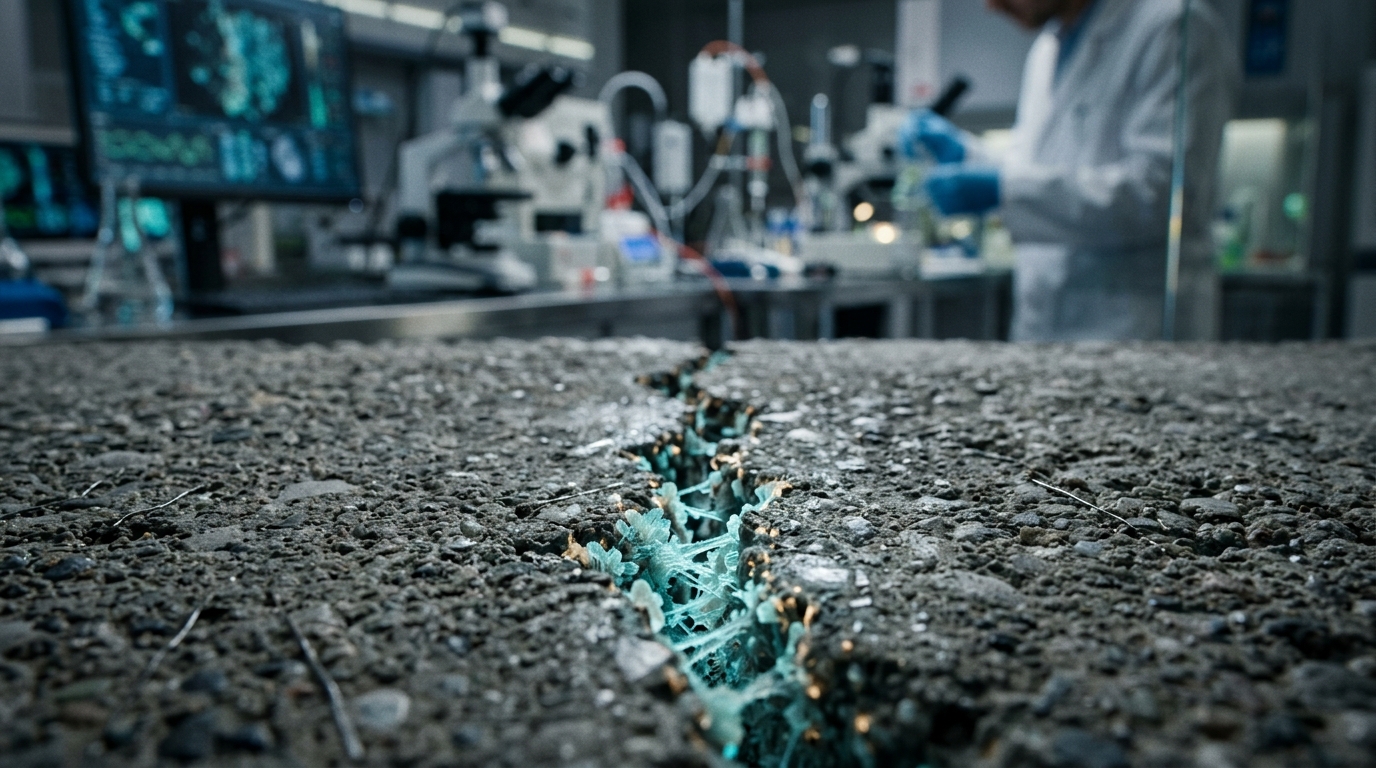

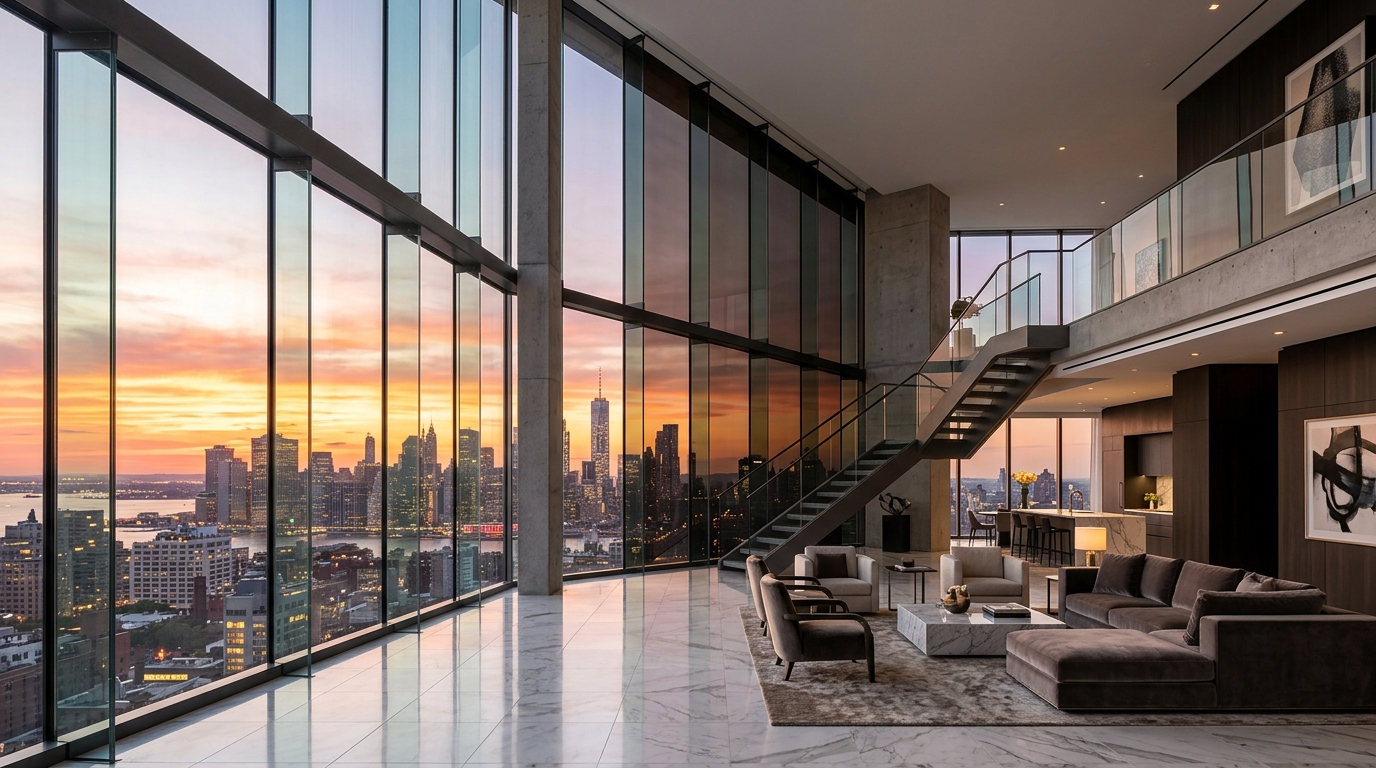
Floor-to-ceiling glass envelopes define the cinematic silhouette of modern penthouse architecture. However, in tropical and equatorial megacities like Lagos and Dubai, unprotected expanses of standard glass create severe solar heat traps, forcing massive chillers to run continuously and washing out interior furnishings under intense ultraviolet radiation.
The Mechanism of Dynamic Electrochromic Nanocoatings
Smart electrochromic glass utilizes multi-layer nanostructured metal oxides—primarily tungsten oxide ($WO_3$) and nickel oxide. When a microscopic low-voltage electrical signal (less than 3.5 volts) passes through the transparent conductive oxide layers, lithium ions migrate into the electrochromic matrix, darkening the glass through variable transmission states:
- Clear Mode (Daylight Ingress): Transmits up to 60% of natural visible light on overcast days or twilight hours.
- Bronze & Charcoal Tint Mode (Peak Solar Intensity): Dynamically drops visible light transmission down to 1% while blocking 99% of infrared radiation and UV rays.
Thermal Sovereignty and Energy Economics
In a typical 8,000 square foot duplex sky-penthouse, cooling loads account for up to 65% of monthly utility operations. Integrating automated daylight-responsive electrochromic glass:
- Reduces peak internal solar heat gain coefficient (SHGC) from 0.72 down to 0.09.
- Eliminates the necessity for heavy, dust-trapping motorized blackout shades that obstruct panoramic skyline views.
- Protects multimillion-naira custom art collections, bespoke oak parquetry, and Italian leather furniture from photolytic fading.
The result is a living sanctuary that adjusts to external solar vectors in real-time, providing flawless acoustic insulation and thermal serenity at any hour of the day.
Related Editorial Analysis