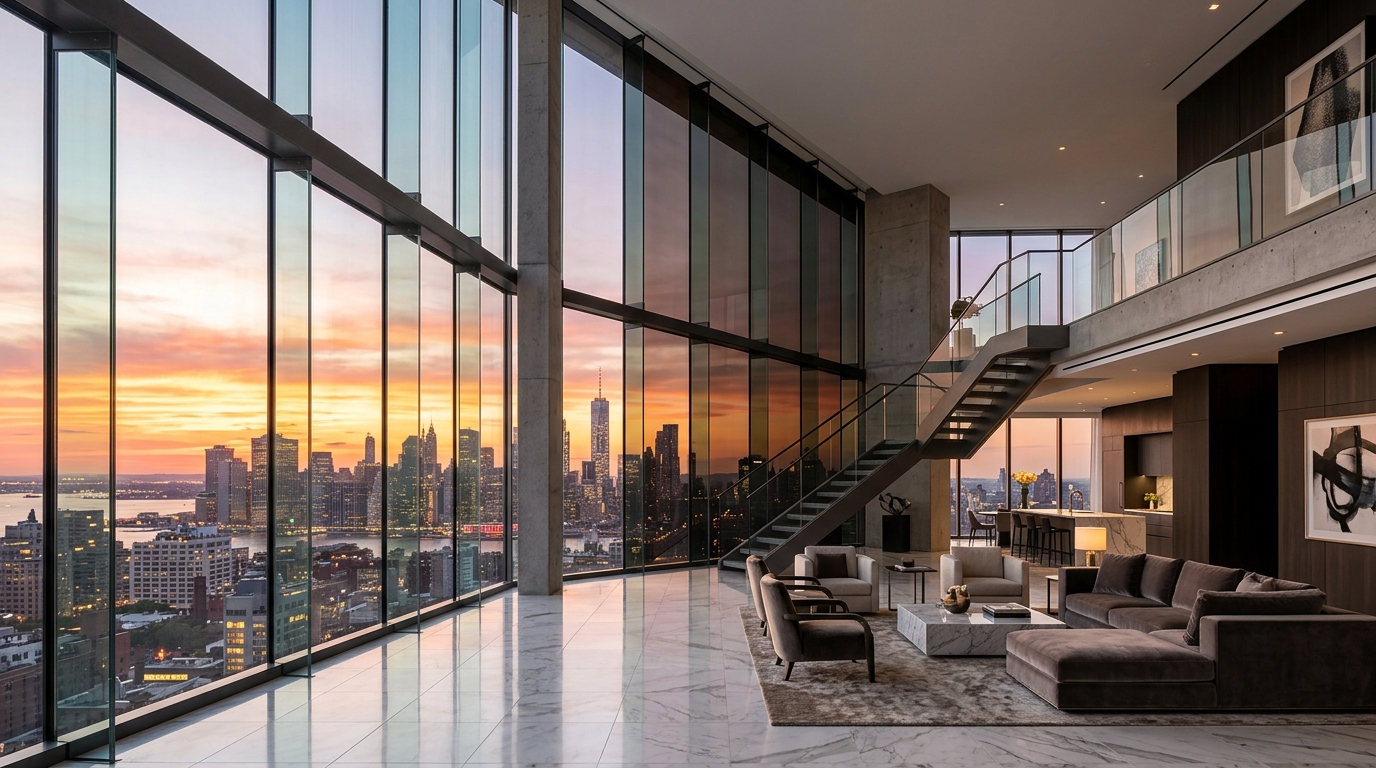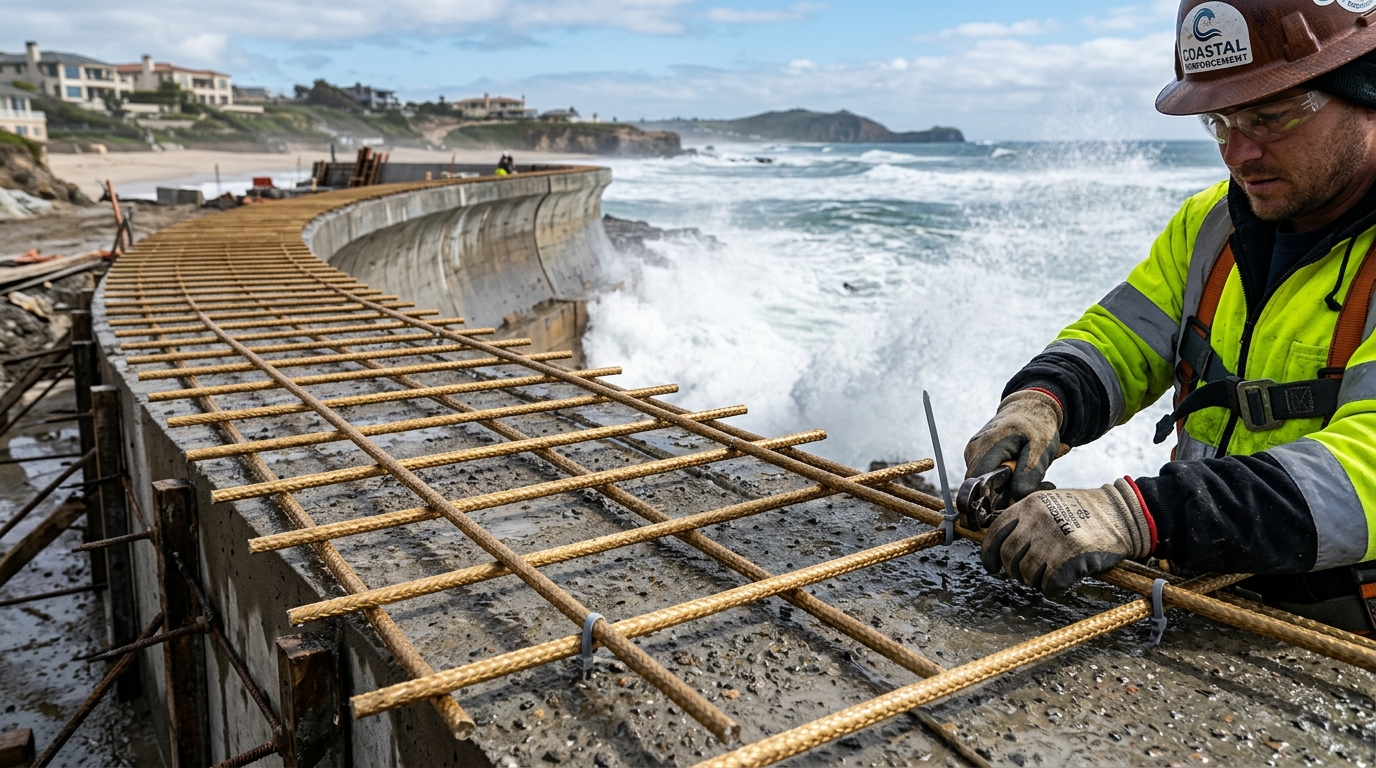

In marine and tropical waterfront environments—such as Banana Island, Victoria Island, and the Atlantic shoreline—concrete structures face relentless chemical degradation. Salt-laden marine breezes, high humidity, and tidal fluctuations drive chloride ions deep into conventional concrete pores, triggering rebar oxidation, expansion, and catastrophic structural spalling.
The Biology of Autonomous Self-Healing Concrete
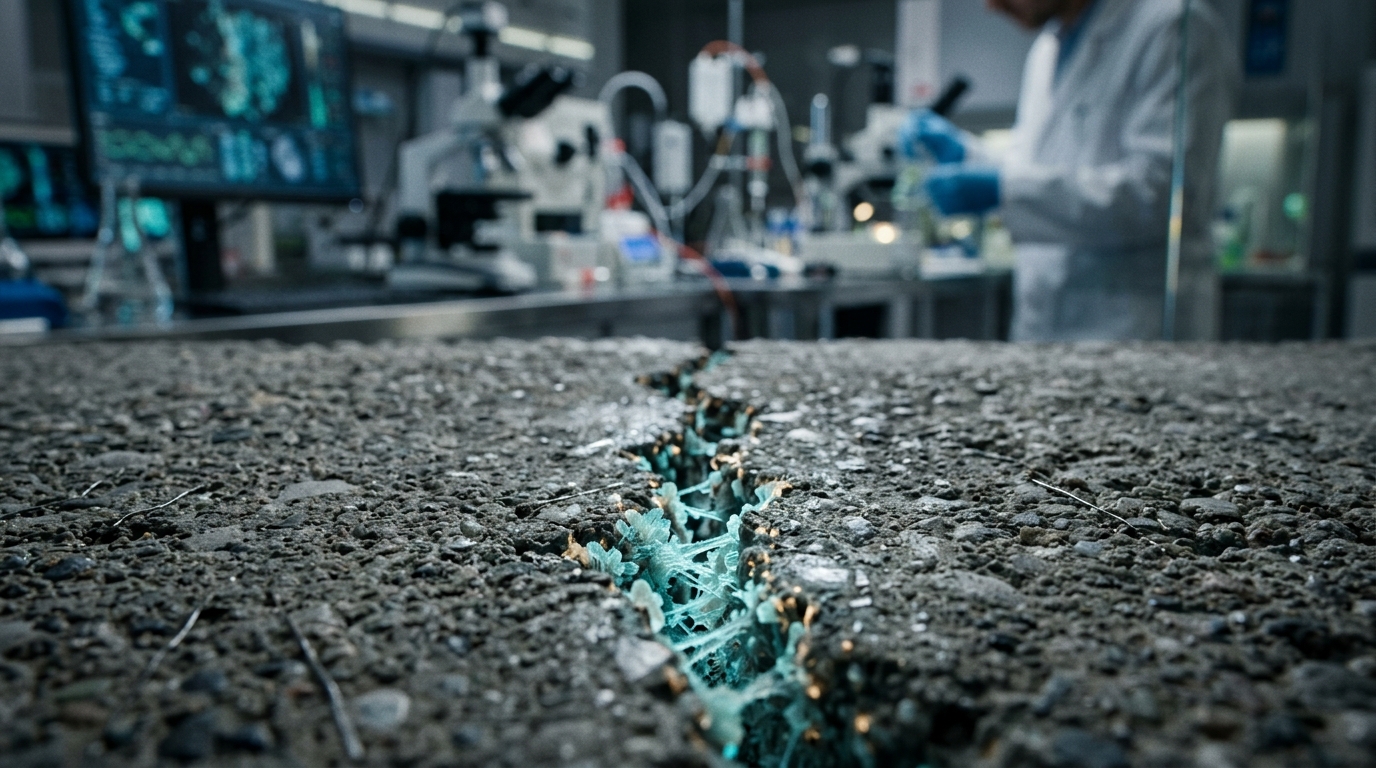
The solution emerging at the pinnacle of architectural civil engineering is Microbial Induced Calcite Precipitation (MICP). By blending dormant bacterial endospores (specifically Bacillus pseudofirmus and Sporosarcina pasteurii) and biodegradable nutrient precursors (calcium lactate) into the concrete mix, the substrate gains an active biological defense mechanism.
When microscopic tension cracks form—whether from thermal expansion or tidal oscillation—moisture and oxygen ingress through the fissure. This awakens the dormant bacterial spores. Through metabolic respiration, the bacteria convert the calcium lactate into solid calcium carbonate (limestone crystals), sealing fractures up to 0.8 millimeters wide within 14 to 21 days.
Extending Structural Lifespans from 50 to 150+ Years
Traditional coastal residences often require expensive, disruptive facade remediation and cathodic protection within 15 to 20 years of construction. By preventing chloride ingress at the micro-crack stage:
- Internal steel and composite rebars remain in a perpetual alkaline, non-corrosive state.
- Structural foundation repair expenditures are slashed by over 78%.
- The building’s design lifecycle easily surpasses 150 years, transforming the property into a resilient multi-generational trophy asset.
"Biocement transforms concrete from an inert, deteriorating rock into a responsive biological composite that autonomously defends its own structural integrity against Atlantic saline attack."
Botabed Waterfront Construction Standards
On all bespoke coastal villas developed by Botabed Construction, bio-mineralized concrete mixes are mandated for subterranean piling, seawall retaining structures, and infinity pool basins, setting a new benchmark for structural longevity along the West African coast.
Related Editorial Analysis