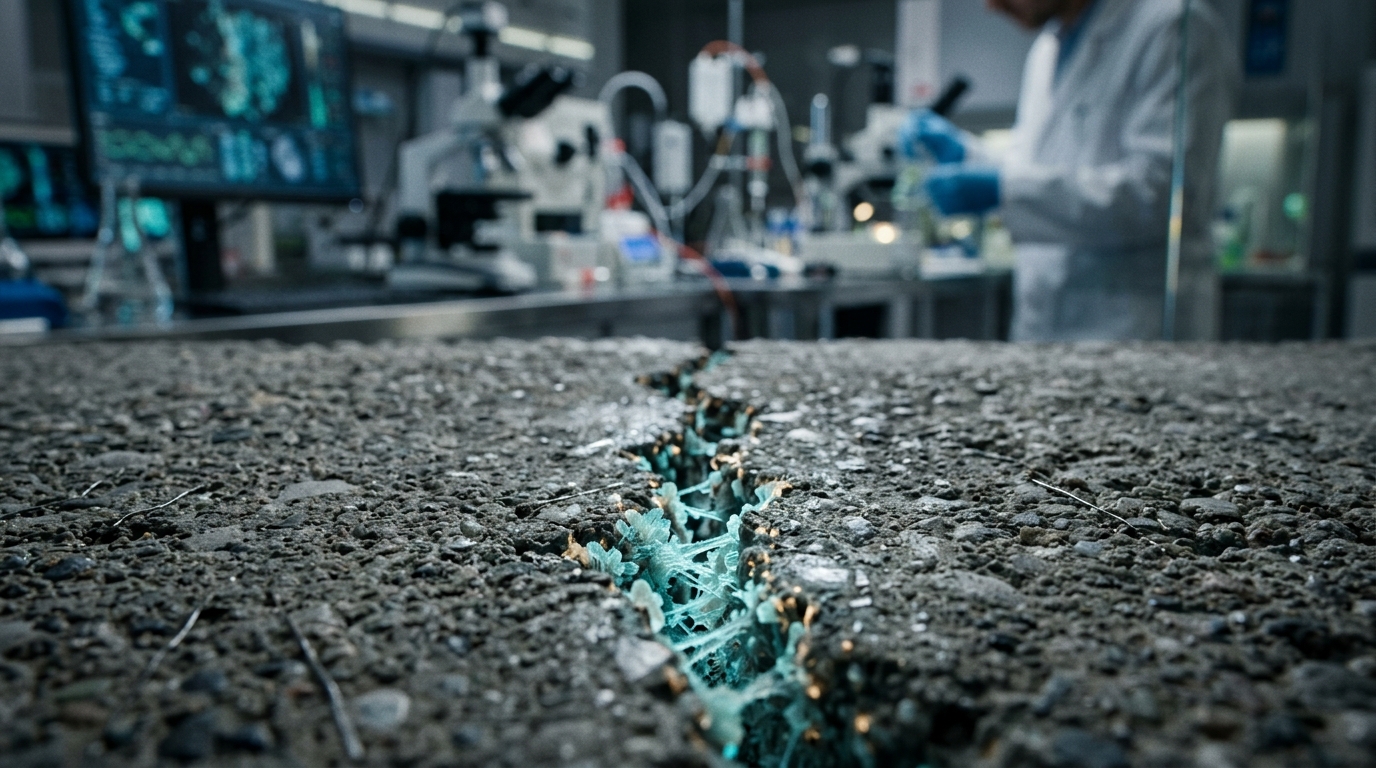

In civil engineering and prime coastal foundations, steel reinforcement has always possessed an inherent vulnerability: corrosion. In marine and marshland terrains common along the Lagos lagoon and coastal Delta states, even micro-fissures in concrete allow saline water to corrode internal steel rebars, resulting in expansive rust pressures that destroy concrete from the inside out.
The Science of Volcanic Basalt Extrusions
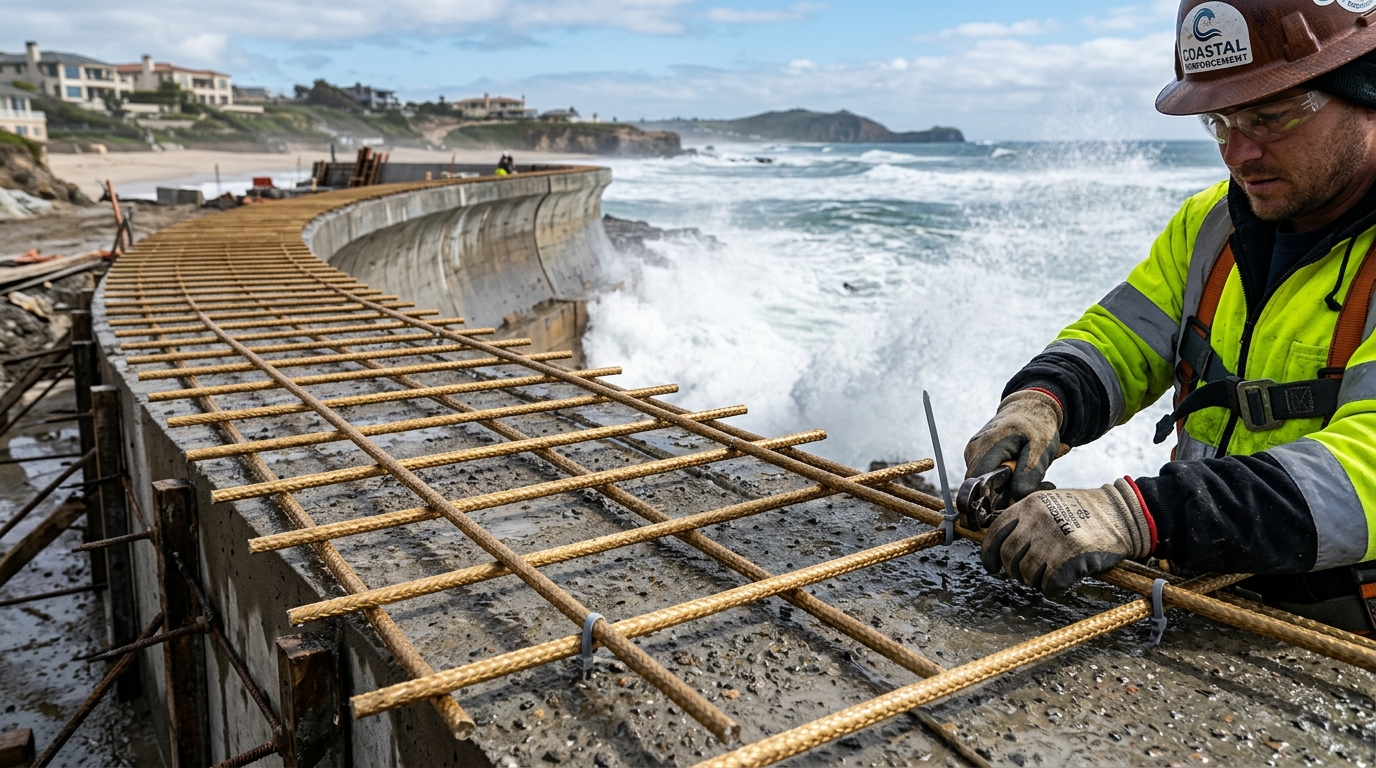
Basalt fiber rebar is produced by melting natural volcanic basalt rock at temperatures exceeding 1,450°C and drawing it into continuous microscopic filaments. These fibers are then combined with specialized epoxy polymers and helically wound into high-tensile composite rebar rods:
- 100% Non-Corrosive: Complete immunity to saltwater, alkaline environments, chlorine, and acid rain.
- Superior Tensile Strength: Tensile strength exceeding 1,100 MPa—more than 2.5 times stronger than conventional Grade 60 structural steel.
- Ultra-Lightweight: Four times lighter than steel, drastically simplifying heavy foundation logistics on sensitive coastal soils.
Electromagnetic Transparency for High-Tech Estates
Beyond structural durability, basalt fiber rebar is completely non-magnetic and non-conductive. In contemporary smart mansions equipped with advanced perimeter radar sensors, sovereign satellite communication antennas, and whole-home wireless automation, eliminating ferromagnetic interference within concrete walls and slabs dramatically enhances signal clarity and cybersecurity protocols.
Related Editorial Analysis